
There is a particular quality to morning light in December. It enters the room at an angle that suggests both ending and beginning, casting long shadows that dance with the promise of transformation.
For queer men navigating spaces of expectation and performance, the concept of living deliberately takes on profound meaning. We are, by necessity, architects of our own existence—curating not just aesthetics, but entire philosophies of being.
The Philosophy of Intentional Space
Interior designer Jonathan Adler once said that your home should make you smile. But for many of us, it goes deeper than mere happiness. Our spaces become manifestations of our authentic selves, carefully constructed sanctuaries where we need not perform.
Consider the objects we choose to surround ourselves with. Each piece—whether vintage modernist furniture or contemporary art—tells a story about who we are and who we aspire to become. This curation is not superficial; it is an essential act of self-definition.

Objects as Autobiography
The vintage Eames chair inherited from a mentor. The abstract painting purchased after a particularly transformative breakup. The collection of first-edition poetry books arranged not by author but by the emotional arc of your twenties. These are not mere possessions—they are chapters in the ongoing story of becoming.
"To live deliberately is to refuse the script others have written for you."
In a culture that often presents limited narratives of what queer male life should look like, creating our own spaces becomes an act of authorship. We write our stories not just in words, but in textures, colors, proportions, and the quality of light.
Beauty as Resistance
In embracing beauty—in our homes, our dress, our daily rituals—we engage in a form of quiet resistance. We assert that our lives deserve care, consideration, and grace. This is particularly radical in a culture that often seeks to diminish or stereotype queer male experience.

The Ritual of the Everyday
Living deliberately means investing in quality over quantity, in experiences over acquisitions, in depth over breadth. It means saying no to the frantic pace of modern life and yes to moments of genuine connection and contemplation.
The morning coffee prepared with attention. The evening ritual of low light and vinyl records. The weekly dinner party where conversation flows as freely as wine. These practices may seem indulgent to those who have never had to fight for space to simply be, but they are essential acts of reclamation.
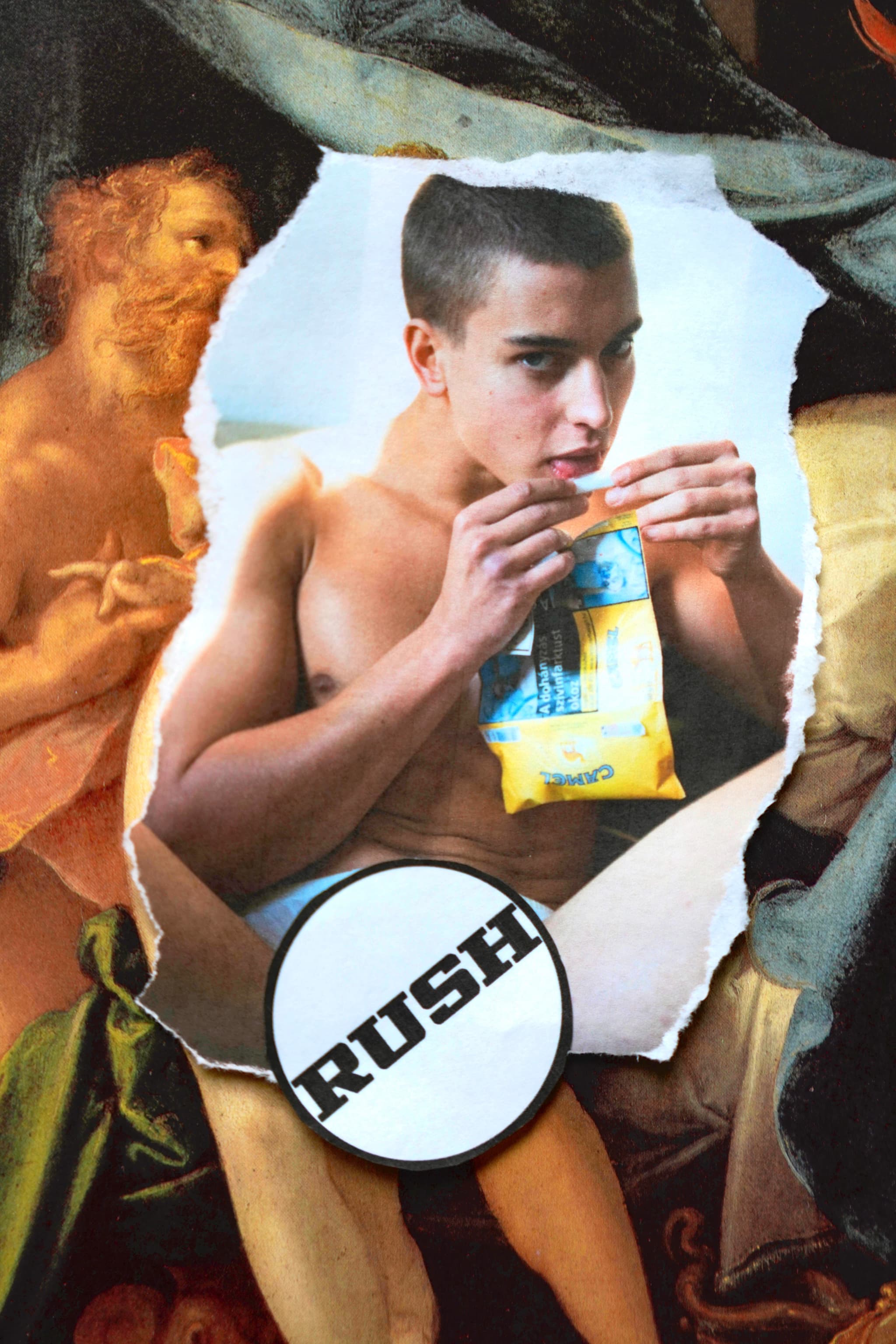
When we choose to live beautifully, we reject the notion that our lives should be lived in service of productivity, conformity, or others' comfort. We claim our right to pleasure, to aesthetic experience, to the full spectrum of human flourishing.